

Files
Download Full Text (459 KB)
Description
INNOVATION & LEADERSHIP
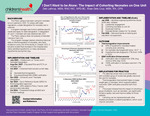
Background: The hospital has been caring for neonates since it opened in 2005. To comply with state regulations, a state designation for neonatal care is required. The facility hired a program manager to address specific needs and to apply for the state designation. A designation of Level 1 neonatal care was obtained at the end of 2023. The facility does not possess a Neonatal Intensive Care Unit. The program manager started collecting historical data on thermoregulation who are located on every unit of the facility in October 2023. It became evident that neonates in the hospital were either admitted hypothermic or developed hypothermia during their stay.
Implementation:
- July 2023, Started working on Texas Designation for Level I
- Aug - Dec 2023, education RNs and PCTs on neonatal hypothermia presentations at staff meetings and safety huddles
- Apr 2024, QRG thermoregulation of neonates at Plano approved by MD, nursing channels
- Jun 2024, QRG in Policy Tracker, educated staff and providers to protocol
- Oct 2024, presented case in Plano M & M, Rumble meetings
- Jan 2025, still at 60% neonates hypothermic and most not being treated per protocol
- Met with hospital leadership, started cohorting neonates on A8
- Trained superusers
- Binder created
- Feb 2025, hands on training, education by superusers to staff
Evaluation:
- The impact of the initiative was dramatic
- July 2025, the percentage of neonates becoming hypothermic in the hospital decreased from 80% to 9%
- Most only became mildly hypothermic, between 36.0 – 36.4 C
- The percentage of neonates not treated per protocol dropped from 90% to less than 10%
The data has shown that a concerted effort with a smaller group of nurses has greatly improved the care for neonates. Thermoregulation improvement helps increase weight gain in neonates, which supports patient outcomes. This project showed how the impact of cohorting a group of patients, such as neonates, can significantly enhance quality care and improve safety for those patients. Cohorting can be implemented with other disease processes or patient populations, which could improve outcomes.
Publication Date
11-24-2025
Disciplines
Pediatric Nursing
Recommended Citation
Lathrop, Deb and Dela Cruz, Rose, "I Don’t Want to be Alone: The Impact of Cohorting Neonates on One Unit" (2025). 2025. 26.
https://scholarlycollection.childrens.com/nursing-anf2025/26
Creative Commons License

This work is licensed under a Creative Commons Attribution-NonCommercial-No Derivative Works 4.0 International License.